





















Integration for a 360-degree view
A digital merchandise management system and customer relationship management are key pillars of digital transformation for small and medium-sized businesses. By combining both systems, you can unlock their full potential. Find out here how to integrate your CRM and inventory management system, what synergies this creates, and how you can easily expand your inventory management or ERP system with a CRM solution using Gedys.
What is an inventory management system?
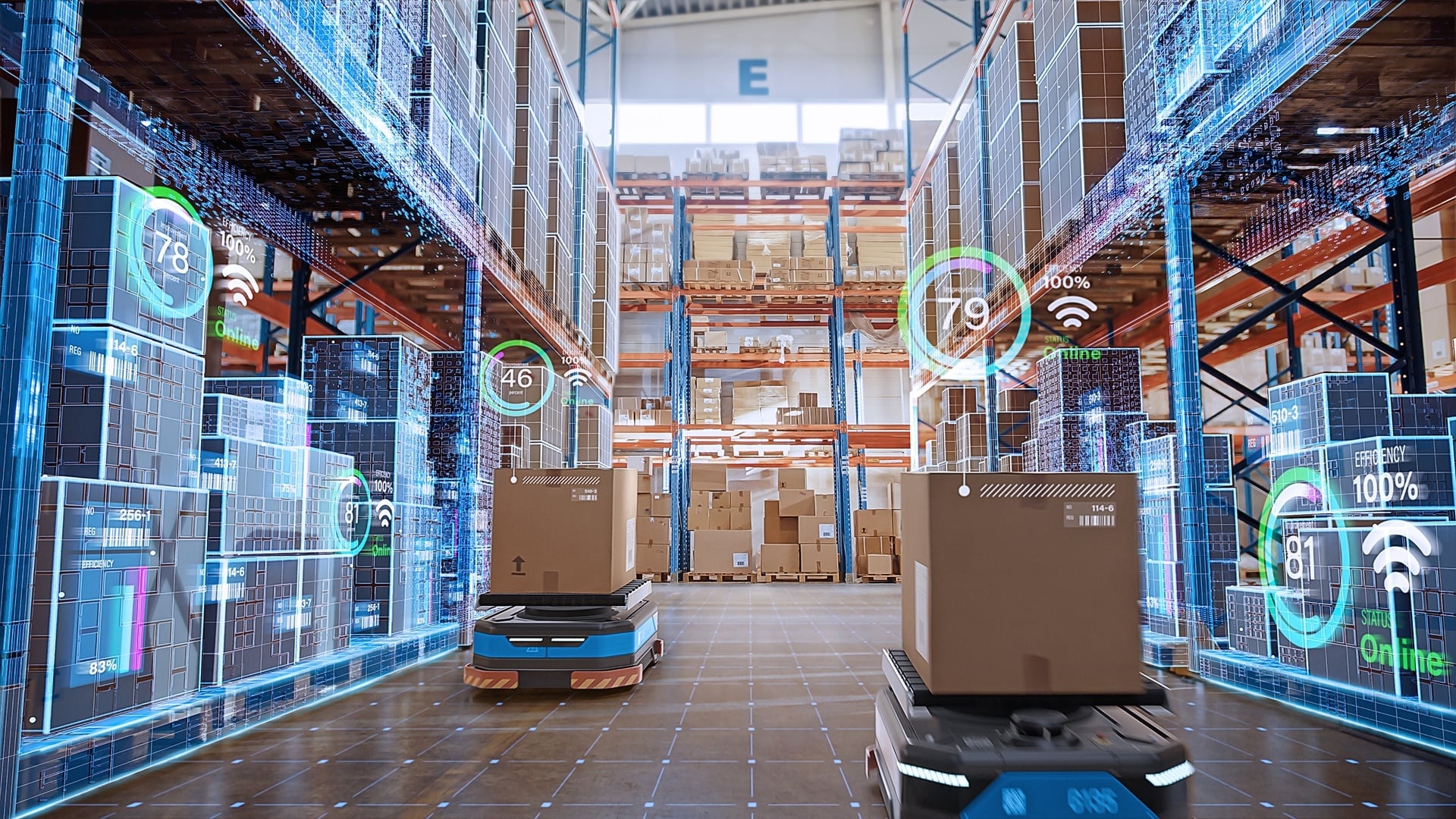
An ERP system ( short for Enterprise Resource Planning) is a software solution designed to visualize and manage the flow of goods and materials within a company. For example, it allows you to monitor inventory levels in warehouses, control production, track sales, and manage purchasing. To this end, the ERP system integrates typical functions such as inventory management software, order processing, and supplier management. Many solutions also include an invoicing module, allowing you to process orders entirely within the ERP system. The goals of digital inventory management are efficient logistics, cost-optimized warehousing, and optimal availability.
What is CRM?
CRM stands for Customer Relationship Management. A CRM system is the software solution used to manage these relationships. Its functions range from contact management—that is, the collection and maintenance of customer data—to advanced modules such as AI-powered data analysis. The CRM system is designed to strengthen customer loyalty, enable personalized marketing, and increase sales efficiency.
Difference Between CRM and Inventory Management
Both ERP and CRM are important tools for digital transformation, designed to boost efficiency and increase revenue—this is a key similarity between them. Beyond that, there are numerous differences between CRM and ERP.
Focus
IMS refers to goods and materials
CRM refers to customer relationships
Core Functions
IMS: Purchasing, inventory, orders, invoicing
CRM: Lead management, marketing, contact management
Users
IMS: Purchasing, production, logistics, accounting
CRM: Sales, marketing, customer service
Address Management in WWS vs. Customer Relationship Management
Occasionally, you’ll read that merchandise management systems are equipped with CRM. This usually refers to address management. In fact, basic customer data such as address, contact information (email, phone), and possibly contact persons are typically stored. These can be filtered using basic functions. However, unlike CRM software, most merchandise management systems do not offer advanced features and do not support you in addressing forward-looking trends such as personalization, AI-driven data analysis, and marketing automation. Yet these are precisely the tools and instruments you need to create a unique customer journey. In this respect, ERP systems generally do not offer true customer relationship management.
Combining an Inventory Management and CRM
The Key to a 360-Degree View of the Customer
CRM and ERP systems focus on different areas, but both manage important data that complements each other well. Therefore, it makes perfect sense to combine CRM and ERP systems. This is usually very straightforward to do. Gedys offers various interfaces and integrations for third-party tools to facilitate this .
A major advantage of combining CRM with an ERP system is the synergy effect. The sales team can then see not only which channel the customer contact originated from and which personalized offers were created, but—thanks to the connection to the ERP system—they can also see how often the customer makes purchases, how much revenue your company has generated, and how long ago the most recent order was placed. This results in a 360-degree view of the customer that’s perfect for sales and marketing. There are also other benefits to integrating CRM with Inventory Management.
In addition, you’ll benefit from a key strategic advantage. Relevant information—such as operational metrics like revenue and inventory levels, and customer-focused KPIs like satisfaction—can be easily used for consistent analysis. This enables better, data-driven decisions in sales and management.
CRM and Inventory Management: A Real-World Example
What does the combination of a merchandise management system and CRM look like in practice? The following example illustrates the synergies and how companies can intelligently implement this integration.
EcoVRP GmbH manufactures special-purpose machines for the packaging industry and sells them internationally. The sales team recognized that competitors were increasingly using personalized and customized offers. The company decided to combine CRM and Inventory Management to best communicate the unique selling point of custom-built special-purpose machines and proactively identify customer needs. From lead generation to revenue-boosting upsells, the process now consists of just a few steps that flow seamlessly into one another.
The combination of a merchandise management system and CRM software offers the company numerous advantages:
- Increased revenue through cross-selling and upselling
- Reduced workload through automated processes and standardized data management
- Seamless workflows through consistent use of a central application across all departments
- Data-driven decisions enable profitable offers
- Stronger customer loyalty through excellent customer service and personalized communication
Inventory management software as part of the ERP system
Standalone solution or a holistic approach? Many companies choose to use the inventory management system as a module within their ERP system. Modern ERP solutions, such as Proalpha’s Business Application Suite, include the functions of a traditional merchandise management system, supplemented by additional features such as accounting and controlling. By integrating CRM and ERP, you gain the most comprehensive view of your processes, customer relationships, and revenue potential.
Get started now:
No additional IT investment required!
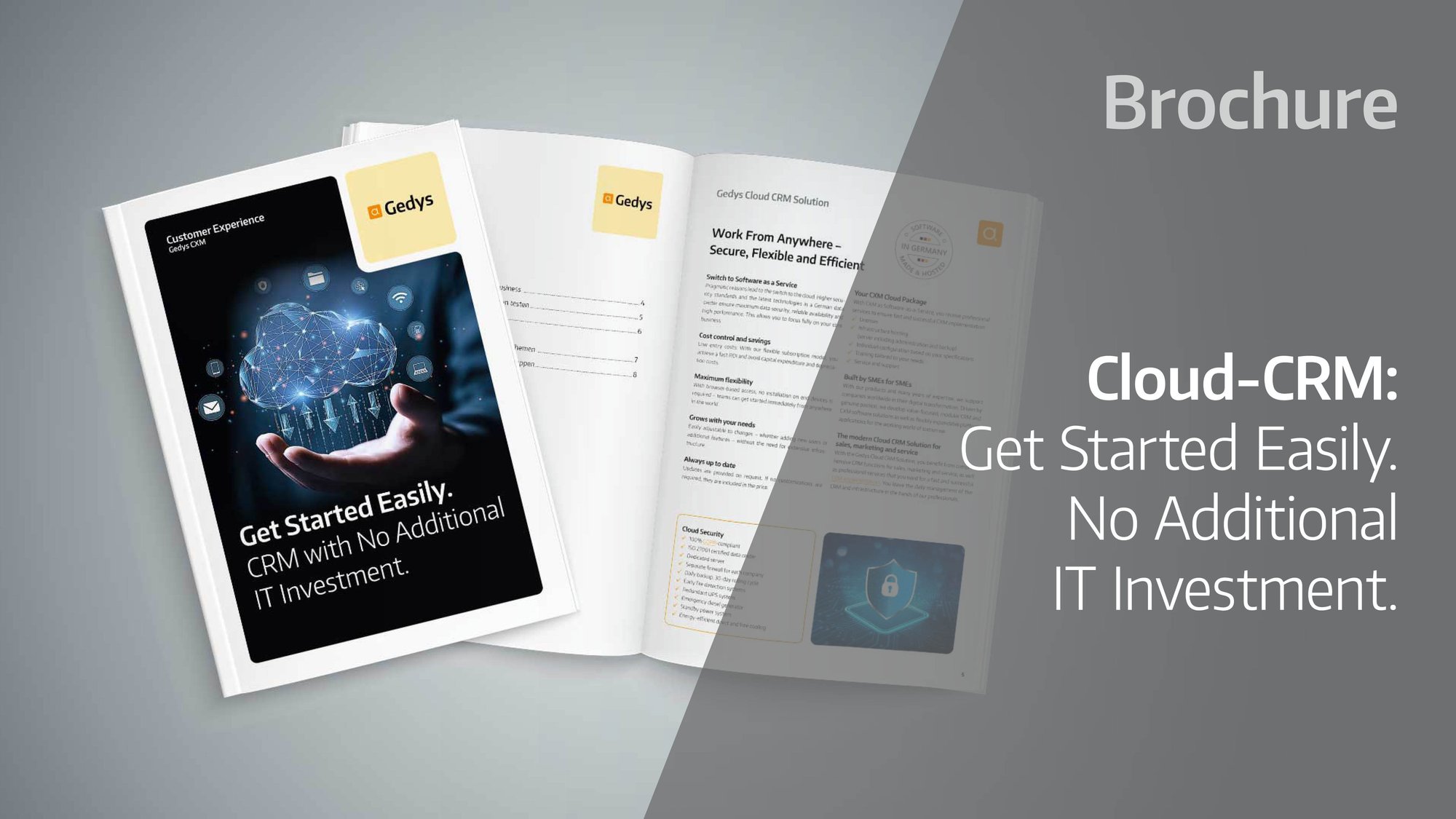
Download brochure and read it later
With our cloud CRM system, you always work via your web browser. You receive all the features you need for a fast and successful CRM implementation.